Your Car Keys Were Stolen, Not Lost: What Changes
A stolen car key is a security problem, not a replacement problem. What to do in the first hour, why deleting the old keys matters more than cutting a new one, and what it costs.
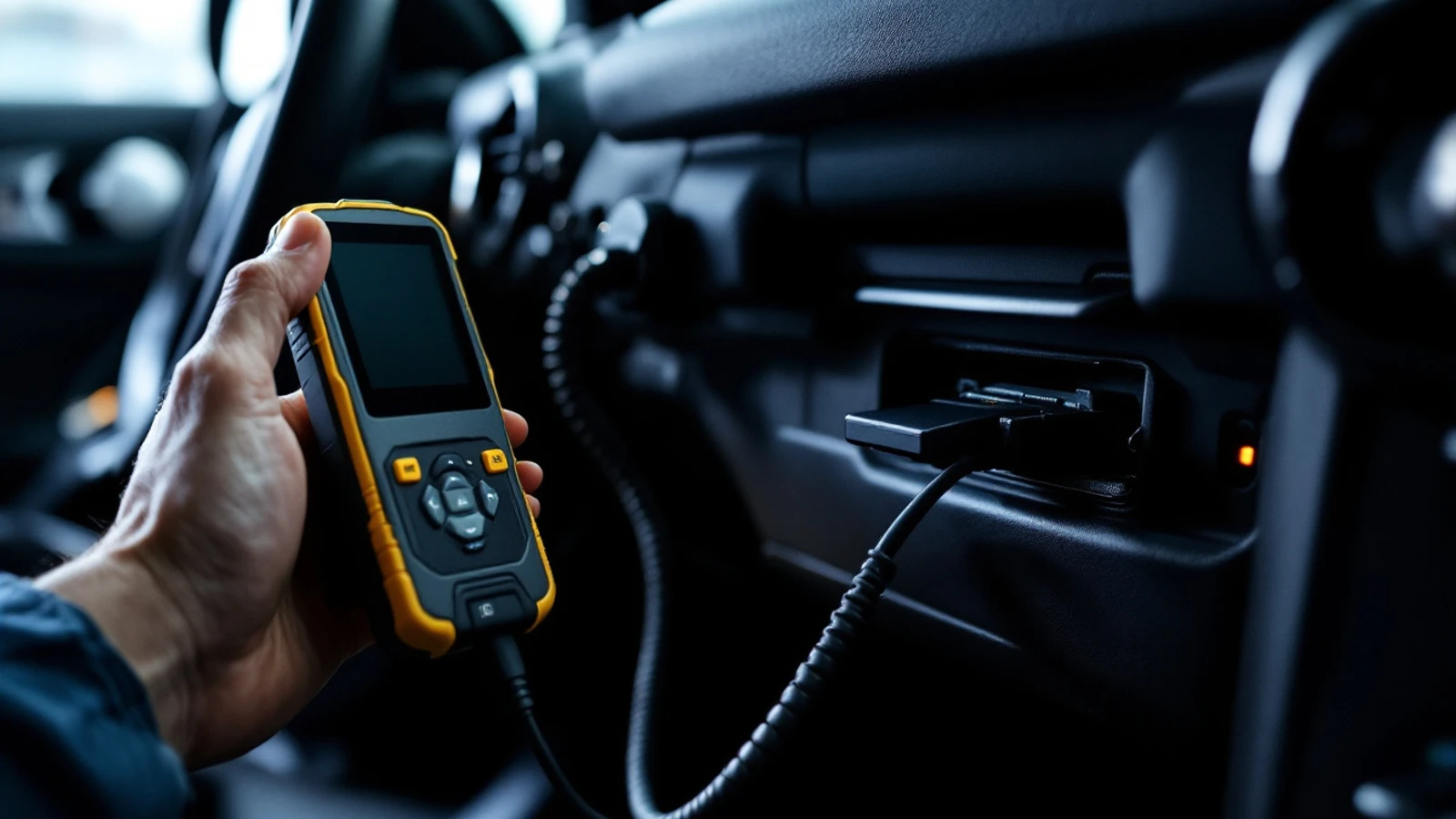
A stolen car key is a security problem that happens to involve a locksmith. A lost key is a replacement problem. The difference matters, because the standard response to a lost key — cut a new one, carry on — leaves a stolen key working perfectly. The step that actually protects the vehicle is deleting every existing key from its immobilizer, and it does not happen unless you ask for it.
As of September 2026, expect to pay the all-keys-lost figure for your vehicle rather than the spare figure, because a proper response re-enrols the car from empty: $180 to $260 for a standard transponder on a mainstream brand, $280 to $475 for a smart key, and $450 to $1,200 on luxury European vehicles.
This guide covers what to do in the first hour, what to insist on from whoever does the work, and what the whole thing costs.
The first hour
Order matters here more than speed.
1. Establish where the vehicle is and whether it is still there. If it is at home and you can move it into a garage or a lit, overlooked spot, do that first — with a spare key if you have one. A vehicle whose keys are in someone else's pocket is a vehicle that can be driven away without a single alarm sounding, and no immobilizer defends against a genuine key.
2. Work out exactly what was taken with the keys. Not just the car key. Was there a house key on the ring? A garage door remote? A fob for a gated community or an office? A wallet or bag containing the registration, an insurance card, or anything showing your address? Each of those is its own action item, and each is routinely overlooked in the rush to sort out the car.
3. File a police report. It takes twenty minutes and creates a dated record that predates whatever happens next. It is what an insurer will ask for. It is also what protects you if the vehicle turns up somewhere it should not be. Keep the report number where you can find it.
4. Book the key work. With the vehicle secure and the report filed, the locksmith visit is a scheduled job rather than an emergency, which usually means a better appointment and a better price.
If the car is already gone rather than merely exposed, steps three and four swap places and the police report becomes the whole priority.
Why a new key is not the fix
This is the part that gets missed, and it is worth being blunt about.
Modern vehicles hold a registry of the keys they will accept. Adding a key to that registry is a routine operation — it is exactly what happens when you order a spare, and it leaves every existing key working. That is the correct behaviour when you are adding a second key to a household.
It is completely the wrong behaviour after a theft.
What you need instead is a delete and re-enrol: erase the registry entirely, then enrol only the keys physically present at the visit. From that moment the stolen key is an inert lump of plastic. It will still unlock a door if it has a mechanical blade cut to your locks — which is why rekeying cylinders comes up below — but it will not start the vehicle.
Three practical consequences follow.
You must ask for it by name. A technician told "I need a new key" will quote adding a key. Say the keys were stolen and that you want every existing key deleted.
Every key you want to keep must be present. The registry is erased, so anything not physically at the visit stops working. If a spare lives at your parents' house, retrieve it first or accept that it becomes scrap.
It prices as all-keys-lost. This is the honest reason for the higher figure. Even though you may still hold a working key, the vehicle is being re-enrolled from empty, which is the longer procedure. Do not read the higher quote as opportunism — read a quote that treats a theft as a routine spare as a shop that has not understood the job.
Our guide to what to do after you get a new car key covers the deletion decision in the general case; after a theft it stops being a decision.
What it costs
| Item | Cost, as of September 2026 |
|---|---|
| Standard transponder key, mainstream brand, re-enrolled from empty | $180 – $260 |
| Smart key, mainstream brand, re-enrolled from empty | $280 – $475 |
| Smart key, luxury European | $450 – $1,200 |
| Ignition cylinder rekey or replacement, if you choose it | $175 – $385 |
| Police report | free |
| Deleting the stolen key from the registry | included in the programming visit — confirm it on the invoice |
That last row is the one to check. Deletion is not a separately priced add-on in normal practice; it is a different instruction within the same programming session. If a shop quotes it as an extra line, ask what it consists of. If a shop cannot say whether they did it, that is worse.
For brand-specific figures rather than these general bands, the makes index carries published ranges for twenty-five makes, and the difference between a transponder and a smart key job — which decides which row you are on — is covered in transponder versus smart key.
Should you rekey the locks as well?
Deleting the keys stops the vehicle being driven. It does not stop the mechanical blade from opening a door, because the blade is cut to your physical locks and the immobilizer has no say in that.
Whether that matters depends on what you park and where.
Usually not worth it on a vehicle parked in a garage or on a private drive, where a door-opening capability alone gets a thief into an empty cabin and no further, and where a proximity vehicle's alarm sounds on unauthorised entry anyway.
Worth it if the vehicle sits on the street, if you keep anything of value in it, if the theft was targeted rather than opportunistic, or if the same key opened a toolbox, a canopy or a trailer hitch lock. Rekeying or replacing the ignition cylinder runs $175 to $385; ask specifically about rekeying to your new key rather than replacing, so you do not end up carrying two different keys for one vehicle.
The judgment call is yours, but make it explicitly rather than by default.
Do not forget the garage door opener
If a garage remote was on the stolen ring, or clipped to a visor in a vehicle whose keys were taken, someone now holds a device that opens your house.
Every modern opener supports clearing its memory and re-pairing the remotes you still hold. It takes a few minutes and costs nothing. Built-in vehicle-integrated openers — the buttons in the rear-view mirror or headliner — have their own clearing procedure, documented in the vehicle manual, and they need doing separately from the wall unit.
This is consistently the most-skipped item on the list, and it is the one with the highest consequence.
Proving the car is yours, and why you should want to
Any shop that does this work properly will ask for photo identification and documentation tying you to the vehicle — normally the title or a current registration. On restricted-access vehicles the technician additionally works through NASTF's Secure Data Release Model, the industry framework that governs how immobilizer data is released and to whom.
It can feel like friction in a week where you have already had something stolen. It is the opposite. A shop that will cut and program a key for anyone standing next to a car is a shop that would have done it for the person who took your keys.
Expect to be asked. Have the documents ready, and treat their absence as a warning sign about the shop rather than a convenience. The wider question of who is actually credentialed to do this work — and what separates a technician who completes the job from one who cannot — is covered in who can actually program a car key.
Insurance, and the paperwork that makes it work
Some comprehensive auto policies include lost or stolen key replacement subject to a deductible. Many manufacturer key-protection products and roadside memberships name it as a benefit, and owners frequently forget they bought one at the point of sale. Check before paying out of pocket, particularly at the smart-key end of the table where the sums are larger.
Where cover applies, carriers generally want an itemised invoice from a licensed locksmith showing the VIN, the parts used, the work performed and the warranty terms, alongside the police report number.
Arrange that before the visit. Telling a technician up front that the invoice needs to support a claim produces the right document at the time. Reconstructing it a week later is harder and sometimes impossible. Deposits and payment: what a legitimate shop asks sets out what a proper invoice contains and which payment practices should give you pause.
If the vehicle was stolen and later recovered
Everything above applies, plus three additions.
Assume the access method still works. Whether a key, a cloned fob or a relay device was used, treat the vehicle as compromised and delete-and-re-enrol as the baseline.
Have the cylinders inspected. Forced entry can leave a door or ignition cylinder that still turns but no longer resists anything. That is not visible from the driver's seat.
Check the vehicle for anything added. Tracking devices and aftermarket ignition bypasses are both things a recovered vehicle can come back carrying.
Coordinate with the police report already on file, and keep the locksmith invoice with it.
The prevention that actually works
Two habits reduce the cost of this considerably if it happens again.
Keep the spare somewhere the thief will not be. A spare in the same house, on the same ring, or in the glovebox of the vehicle it opens is not a spare. Somewhere else entirely is.
Do not carry your address with your keys. A registration in the glovebox is normal and required in many places; a garage remote clipped next to it turns a key theft into a house problem. The two do not need to travel together.
And the general case: cutting a spare while you still hold a working key costs less than replacing keys from empty on every make. That is the arithmetic every make cost guide on this site sets out, and it is the same arithmetic here, only with a worse trigger.
Getting it done
Describe it as a theft when you book, not as a lost key. The two produce different quotes and different procedures, and starting with the wrong one wastes a visit.
Have ready: year, make, model, whether any key remains in your possession, and your identification and proof of ownership. The VIN tightens the quote further — what the VIN changes about your quote explains why it resolves a range that year and model alone leave open.
Our lost car keys page covers the all-keys-lost procedure this work follows, smart key replacement covers proximity vehicles specifically, and the dealer versus mobile comparison is worth a look before assuming the dealership is the safer choice after a theft — it usually is not, and it usually involves a tow. You can start a request on the get help page.
Costs in this guide are as of September 2026 and reflect the ranges published across CarKeyNation's service and make pages. Identity and ownership verification standards referenced from NASTF's Secure Data Release Model. This guide is general information, not legal or insurance advice; policy terms vary.
Frequently asked questions
My car keys were stolen. What is the single most important thing to do?
Have every existing key deleted from the vehicle, not just a new one cut. A replacement key solves your access problem and leaves the thief's key working. Deletion removes the stolen key from the immobilizer's registry so it can no longer start the car, and it is the step people skip because nobody explains that cutting a new key does not do it automatically.
Does a new key automatically cancel the stolen one?
No. On most vehicles a technician can add a key without touching the others, which is exactly what happens when you order a spare. Cancelling the old keys is a separate instruction that erases the registry and re-enrols only the keys physically present. You have to ask for it, and you should confirm on the invoice that it was done.
What does it cost to secure a car after a key theft?
As of September 2026, expect the all-keys-lost figure for your vehicle rather than the spare figure, because deleting every key means the vehicle is re-enrolled from empty. On mainstream brands a standard transponder is $180 to $260 and a smart key is $280 to $475. Luxury European vehicles run $450 to $1,200. If the ignition cylinder is rekeyed at the same time, add $175 to $385.
Should I file a police report even though only the keys were taken?
Yes, in almost every case. It creates a dated record that predates anything done with those keys, which matters for an insurance claim and for a dispute about a vehicle later found somewhere it should not be. It also matters if house keys were on the same ring. Get the report number and keep it with the locksmith invoice.
Do I need to prove the car is mine?
Yes, and you should want to. Any legitimate shop asks for photo identification and documentation tying you to the vehicle, usually the title or current registration. For restricted-access vehicles the technician also works through NASTF's Secure Data Release Model, which exists precisely so that key data is not handed to whoever turns up. A shop that skips identity checks would do the same for someone standing at your car.
The thief has my address as well as my keys. What else should I do?
Assume they hold both. If the registration, insurance card or anything showing your address was in the vehicle or on the ring, treat the house as exposed too: rekey or replace affected house locks, reset any garage door opener paired to a remote that was taken, and remove that remote from the opener's memory. Clearing the garage opener is a separate job from anything done to the car, and it is the one most often forgotten.
My car was stolen and later recovered. Is this the same procedure?
It is the same key work plus more. Assume the vehicle was accessed with a key or a device that may still function, so a full delete-and-re-enrol is the baseline. Beyond that, have the ignition and door cylinders inspected for tampering, since forced entry can leave a cylinder that still turns but no longer secures anything.
Will my insurance cover the replacement?
Sometimes. Some comprehensive policies include lost or stolen key replacement subject to a deductible, and many manufacturer key-protection plans and roadside memberships name it as a benefit. Carriers generally want an itemised invoice from a licensed locksmith showing the VIN, the work performed and the parts used, plus the police report number. Arrange that before the visit rather than reconstructing it afterwards.