Car Key Won't Turn in the Ignition: Causes, Fixes and Cost
A diagnostic walkthrough for a key that will not turn, from the two free fixes that solve it most often to the worn cylinder and worn blade cases, with realistic 2026 costs for each.
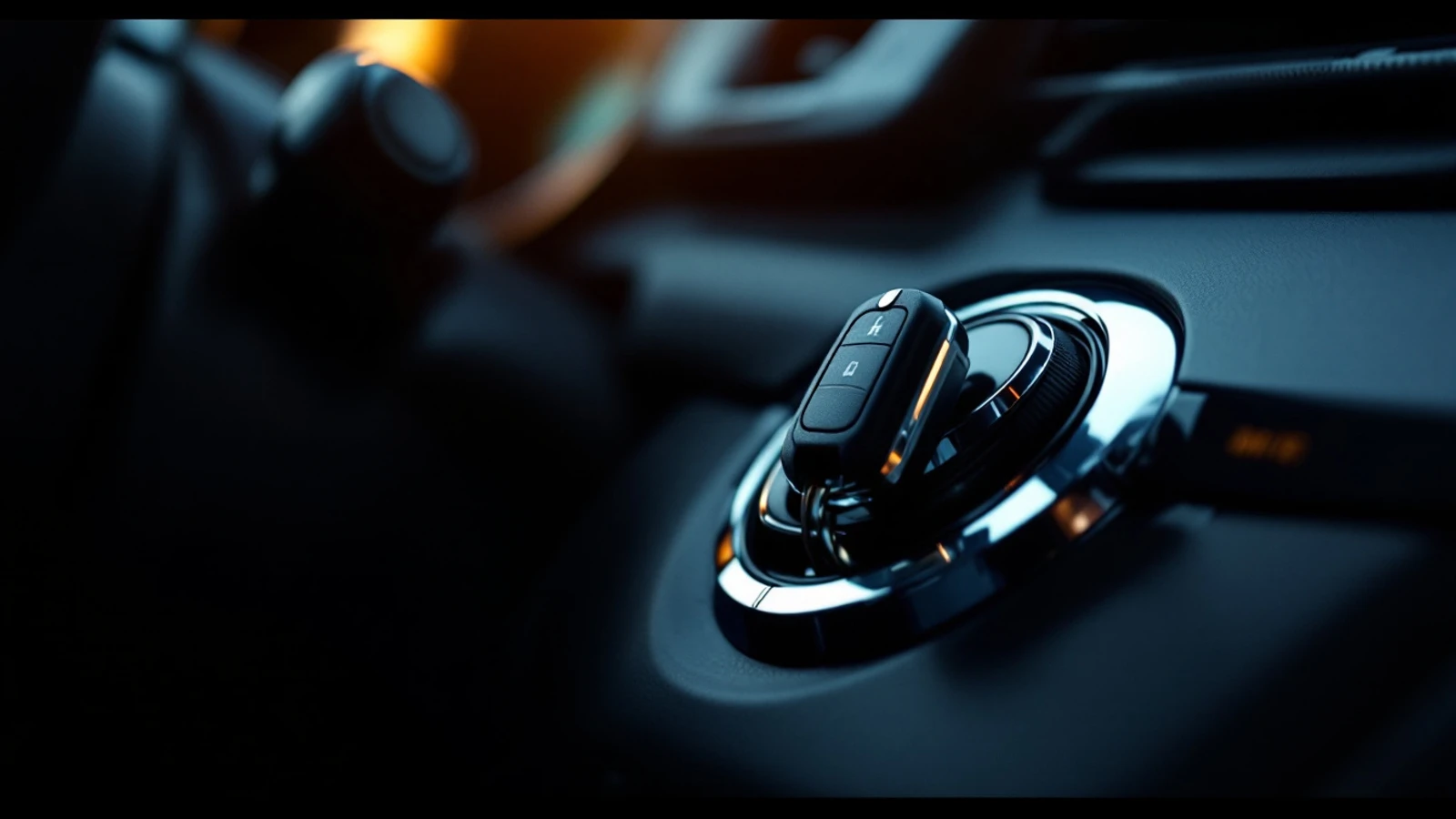
A key that will not turn feels like a broken car. Usually it is not. Two of the most common causes cost nothing at all to fix, and a third is cheaper than most people expect.
The mistake worth avoiding is paying for an ignition cylinder when the actual fault is a worn key, a locked steering column, or a gear selector sitting a few millimetres short of Park. Those four outcomes differ by hundreds of dollars, and they present almost identically from the driver seat.
This guide walks the diagnosis in the order a competent technician works it: free checks first, cheap tests second, expensive repairs last.
Start with the two free fixes
Before anything else, rule these out. Between them they account for a large share of no-turn calls, and both are resolved in under a minute without tools.
1. The steering wheel is locked under load
When you park with the front wheels turned against a kerb, the steering lock pin can seat under pressure from the wheel. That pressure binds the pin against the ignition mechanism, and the key cannot rotate because the lock physically cannot release.
The fix is to take the load off:
- Grip the steering wheel and apply firm but gentle pressure in one direction
- Hold that pressure while turning the key
- If nothing moves, hold pressure the other way and try again
The wheel will usually give with a small click and the key turns normally. What matters here is the sequence: pressure on the wheel while turning the key, not one after the other.
Do not force the key. A key forced against a bound lock is how keys snap, and a snapped key inside a cylinder converts a free fix into an extraction job.
2. The transmission is not fully in Park
Automatic vehicles interlock the ignition against the gear selector, so a selector resting between positions holds the ignition. The lever can look like it is in Park while sitting fractionally short.
Push the selector firmly into Park, then retry. On some vehicles rocking it into Neutral and back reseats it. On a manual, confirm the clutch interlock is satisfied where one is fitted.
If neither of these clears it, the fault is genuine wear or damage, and the next question is which half of the pair has worn.
Then find out whether it is the key or the lock
An ignition is a pair: a blade and a set of spring-loaded wafers. They wear against each other, they degrade together, and they produce the same symptom. Telling them apart is the whole diagnostic game, because one is cheap and one is not.
The single most useful test is a freshly cut key — one cut from the vehicle's factory code, not copied from the worn key in your pocket. A copy of a worn key inherits the wear. A code-cut key is what the lock expected on day one.
If a fresh blade turns cleanly, the cylinder was fine and the key had simply worn past tolerance. That is the good outcome, and it is common on any vehicle whose original key has been carried daily for a decade.
If a fresh blade will not turn either, the wear is inside the cylinder and the repair is a mechanical one.
Ask for that test explicitly. A technician who quotes cylinder replacement before trying a fresh key is skipping the step that could save you the cylinder.
What the timeline tells you
How the fault arrived narrows the cause before anyone touches the car.
| Symptom pattern | Most likely cause | Typical fix |
|---|---|---|
| Sudden and total, worked perfectly yesterday | Steering lock bind, selector not in Park, or a broken component | Free checks first, then inspection |
| Gradual over months, needs more jiggling each time | Worn key blade or worn wafers | Fresh code-cut key, then cylinder if needed |
| Only in cold weather | Moisture and contamination in the lock | Dry lock lubricant, cleaning |
| Only since a specific event, such as a car wash or a drop | Debris or physical damage | Inspection and cleaning or replacement |
| Key turns freely but engine will not start | Immobilizer, not the lock | Key programming, not cylinder work |
That last row is the one that saves the most money. If the key rotates, the mechanical lock is doing its job and replacing it changes nothing. Our guide to a new key that unlocks the doors but will not start the engine covers that separate fault path.
The other checks worth making first
Beyond the steering lock and the gear selector, three more conditions produce a no-turn on a vehicle that needs no repair at all.
You are using the wrong key. Obvious once said, and it happens more than people admit — a spare for a different vehicle on the same ring, or a valet key that opens the doors but was never cut for the ignition on some models. Check the key you are holding is the one that has always started this car.
The key is bent. A blade carried loose in a pocket, sat on, or used to open packaging can take a slight set that is hard to see and enough to prevent the wafers aligning. Sight down the blade edge-on against a straight edge. A visibly bent key can sometimes be gently straightened, but the better answer is a fresh cut, because a bent blade has usually also been stressed at the shoulder where keys snap.
Something is in the cylinder. Debris, a fragment of a previous key, or hardened residue from a general-purpose lubricant used earlier. This tends to present as a key that will not fully seat — if the blade does not go all the way in, stop trying to turn it, because forcing a partially-seated key is the fastest route to a snapped one.
That last point generalises. On any of these checks, the failure mode of forcing is always worse and always more expensive than the fault you were trying to fix.
Why cold weather makes it worse
A seasonal pattern is common enough to be worth naming, because it changes what the fix is.
Moisture that has worked into the lock over time can freeze, and contamination that stays fluid in mild weather stiffens when cold. The result is a lock that works normally for most of the year and refuses on the coldest mornings — which people often read as a failing cylinder when it is really contamination plus temperature.
The useful distinction: a genuinely worn cylinder gets steadily worse in all conditions, while a contamination fault is weather-dependent and reverts. If the key turns perfectly on a mild afternoon and refuses at dawn in January, cleaning and a dry lubricant are the right first move, not replacement.
Warming the key itself is a folk remedy that occasionally works and carries a real risk: heat applied carelessly to a key containing a transponder chip can damage the chip, converting a mechanical annoyance into a programming job. If you try it, warm the key in your hand, not with a flame.
What it costs to fix
Two outcomes, two very different numbers. All figures as of August 2026.
If the key is the problem. A freshly cut and programmed key is the cheaper resolution. A basic transponder spare runs $140 to $220 through a mobile locksmith, and originating a key with none surviving runs $220 to $320. Our transponder key programming page covers what that visit involves.
If the cylinder is the problem. Ignition cylinder replacement runs $220 to $450 through a mobile locksmith against $400 to $750 at a dealership for the same work, with a narrower $175 to $385 band published on our per-make pages for a straightforward on-site rekey or replacement. Our car ignition repair cost guide breaks down what drives you toward one end of that range or the other.
One question to ask before accepting any cylinder quote: is the new cylinder being rekeyed to my existing key? A replacement ships with its own wafers and its own key, and without rekeying you drive away carrying two different keys for one car.
What not to do
Three things reliably make this worse and more expensive.
Do not force the key. Pliers, a screwdriver through the head, or leverage of any kind. Keys shear at the shoulder, and a fragment inside the cylinder means extraction before any other work can begin. The free steering-lock fix above resolves this without force in most cases.
Do not use general-purpose penetrating oil. It attracts dust, and the resulting paste hardens inside the lock. If you lubricate at all, use a dry graphite or PTFE lock lubricant. Even then, lubricant treats a symptom, not wear.
Do not keep driving on an intermittent turn. Wear is progressive. A key that turns on the third attempt today turns on the tenth next month and not at all after that, and it will choose its moment. Getting a fresh key cut while the old one still works occasionally is both cheaper and calmer than handling it after the vehicle is immobile in a car park.
When the key has already broken
If the blade has snapped off in the cylinder, stop.
Do not attempt to fish out the fragment with a screwdriver, a paperclip or a magnet. Pushing the piece deeper or damaging the wafers turns a straightforward extraction into a cylinder replacement, and the wafers are the expensive part.
A mobile automotive locksmith can extract the fragment with proper extractor tools and originate a replacement key on-site. The extraction is far cheaper while the cylinder is still intact, which argues for calling rather than improvising.
How long the fix takes
Useful for planning, and useful as a check on any quote you are given.
A fresh key cut and programmed: typically 30 to 60 minutes at your vehicle, longer if the key has to be originated from the vehicle code with none surviving.
An ignition cylinder replaced: typically one to two hours, with the spread driven almost entirely by how much of the steering column has to come apart on your particular model rather than by the lock work itself.
A broken key extracted: usually well under an hour when the cylinder is undamaged, which is the strongest practical argument for not attempting it yourself first.
A quote promising a fifteen-minute cylinder replacement is describing something other than the job that has to happen. That mismatch between promised time and real work is one of the more reliable warning signs available before anyone arrives.
Does where you are change the price?
Barely. The cylinder, the wafers and the skill are national; a worn Camry lock is the same repair in Michigan as in Georgia. What varies is travel time, which shows up at the edges of the published band rather than in its middle. Our state pages for Michigan and Georgia show how coverage is organised, and the makes index is the place to start if you would rather begin from the vehicle.
Who to call
Ignition work sits at the intersection of mechanical lock skills and immobilizer programming, and not every provider covers both. A shop that can replace a cylinder but cannot program a transponder leaves you with a lock that turns and an engine that will not start.
Ask three questions before dispatch:
- Can you cut a key from the vehicle code, rather than copying my existing key?
- Can you rekey a replacement cylinder to my current key?
- Can you program a transponder on-site if a new key is needed?
A yes to all three means one visit. Our guide to who can actually program a car key covers the credentials and tooling behind those answers, and the automotive locksmith page covers what to verify before anyone is dispatched.
If you are working through this at the roadside right now, you can start a request on the get help page. Lead with the symptom in the exact words you would use to a friend — whether the key turns at all is the single most useful thing a technician can know before loading the van.
Cost figures are as of August 2026 and reflect the ranges published on the CarKeyNation automotive locksmith and per-make pages. Dealer comparison benchmarks referenced from the J.D. Power 2024 Customer Service Index.
Frequently asked questions
Why will my car key not turn in the ignition?
The two most common causes cost nothing to fix. Either the steering wheel is locked under load against the column, which binds the ignition, or the transmission is not fully seated in Park. Together those explain a large share of no-turn calls. If both are ruled out, the likely causes are a worn key blade, a worn ignition cylinder, or debris inside the lock.
How do I free a steering wheel lock?
Apply firm but gentle pressure to the steering wheel in one direction and hold it there while you turn the key. If it does not move, try the other direction. The lock pin binds against the column when the wheel was turned against a kerb at parking, and taking the load off the pin releases it. Never force the key with pliers, because a snapped key inside the cylinder turns a free fix into an extraction job.
Is it my key or my ignition?
The cheapest way to find out is a freshly cut key made from the vehicle code rather than copied from your worn one. If a crisp new blade turns cleanly, the cylinder was never the problem and you have avoided a much larger repair. A technician who reaches for the cylinder before trying a fresh key is skipping the cheap test.
How much does it cost to fix a key that will not turn?
It depends on which half of the pair has worn. A freshly cut and programmed key is the cheaper outcome. If the cylinder itself has failed, replacement runs $220 to $450 through a mobile locksmith and $400 to $750 at a dealership, with a narrower $175 to $385 band published for on-site rekey or replacement on specific makes. As of August 2026.
My key turns but the car will not start. Is that the same problem?
No, and this distinction matters. If the key rotates freely, the mechanical lock is working. A no-start with a turning key points at the immobilizer chain, meaning the transponder chip, the antenna ring, the module, or a key that was never correctly programmed. Replacing the ignition cylinder will not fix it.
Can I spray lubricant into the ignition?
Use a dry graphite or PTFE lock lubricant if you use anything at all. Avoid general-purpose penetrating oils, because they attract dust that hardens into a paste inside the lock and can turn an intermittent fault into a permanent one. Lubricant is a legitimate step for a sticky cylinder, but it treats a symptom rather than wear.
My key snapped off in the ignition. What now?
Stop and do not attempt to fish it out with anything metal, because pushing the fragment deeper or damaging the wafers converts an extraction into a cylinder replacement. A mobile automotive locksmith can extract the broken piece and originate a replacement key on-site, and the extraction is far cheaper when the cylinder is still intact.
Should I keep trying if it turns on the fifth attempt?
An intermittent turn is a warning, not a reprieve. Wear is progressive, so the pattern almost always moves from occasionally to rarely to never, and it tends to fail completely at the least convenient moment. Getting a fresh key cut while the old one still works occasionally is materially cheaper than dealing with it after the vehicle is immobile.